


The Rise and Fall of Dundee Mills: A Community Pillar in Griffin GA
Dundee Mills was more than just a textile factory in Griffin, Georgia. For decades, it stood as a symbol of economic strength, community pride, and local identity. Its story reflects the growth of Griffin itself, the challenges faced by the American textile industry, and the impact of corporate decisions on small-town life. This post explores how Dundee Mills helped shape Griffin, the changes it brought, and the void left when it closed in the 1990s after being acquired by Springs Industries.

Early Days of Dundee Mills and Griffin’s Growth
Dundee Mills was established in the early 20th century during a time when Griffin was transitioning from a primarily agricultural town to an industrial hub. The mill specialized in producing cotton textiles, a natural fit given Georgia’s rich cotton-growing history.
Economic Impact: Dundee Mills quickly became one of the largest employers in Griffin, providing steady jobs to hundreds of local families.
Community Development: The mill’s presence encouraged the growth of neighborhoods, schools, and businesses around it. Workers’ families settled nearby, creating a tight-knit community centered on the mill.
Technological Advances: Dundee Mills invested in modern machinery and production techniques, helping Griffin keep pace with other industrial cities in the South.
The mill’s success was closely tied to Griffin’s identity. It was common for multiple generations of families to work there, and the mill sponsored local events and supported civic projects. Dundee Mills was not just a workplace; it was a community pillar.

Dundee Mills’ Role in Griffin’s Social Fabric
Beyond economics, Dundee Mills influenced Griffin’s social life. The mill organized social clubs, sports teams, and holiday celebrations for its workers. This fostered a sense of belonging and pride among employees.
Worker Housing: The company built housing for many employees, creating mill villages that became vibrant neighborhoods.
Education and Training: Dundee Mills supported local schools and offered training programs to improve workers’ skills.
Cultural Influence: The mill’s presence shaped local traditions and community values, emphasizing hard work, loyalty, and mutual support.
These contributions helped Griffin grow from a small town into a community with a strong identity tied to its industrial roots.

Challenges and Changes in the Textile Industry
By the mid-20th century, the American textile industry faced increasing challenges. Global competition, rising labor costs, and changing consumer demands put pressure on mills like Dundee.
Competition from Overseas: Textile production shifted to countries with lower wages, reducing demand for American-made fabrics.
Technological Shifts: Automation and new materials changed production methods, requiring costly upgrades.
Economic Fluctuations: Periodic recessions and shifts in the cotton market affected profitability.
Dundee Mills adapted by modernizing equipment and diversifying products, but these efforts were not enough to fully counteract industry-wide trends.
Springs Industries Acquisition and Its Impact

In the 1980s, Springs Industries, a larger textile conglomerate, acquired Dundee Mills. This marked a turning point for the Griffin community.
Corporate Restructuring: Springs consolidated operations, focusing on efficiency and cost-cutting.
Job Reductions: Many local jobs were eliminated as production was moved or automated.
Community Disconnect: The personal ties between the mill and Griffin’s residents weakened as decisions were made by distant executives.
The acquisition brought short-term investment but ultimately led to the decline of Dundee Mills as a local institution.

The Closure of Dundee Mills and Its Aftermath
By the 1990s, Dundee Mills ceased operations. The closure left a significant gap in Griffin’s economy and community life.
Economic Loss: Hundreds of workers lost their jobs, and local businesses that depended on mill employees suffered.
Social Impact: The mill villages and neighborhoods faced decline without the steady income and support from Dundee Mills.
Identity Shift: Griffin had to redefine itself beyond its industrial past, seeking new economic drivers.
The loss of Dundee Mills was felt deeply by many families who had depended on the mill for generations.
Griffin’s Path Forward After Dundee Mills
Despite the challenges, Griffin has worked to rebuild and diversify its economy. Efforts include:
Attracting New Industries: Griffin has sought to bring in manufacturing, healthcare, and service businesses.
Preserving History: Local groups have worked to preserve Dundee Mills’ legacy through museums and historical markers.
Community Revitalization: Investments in education, infrastructure, and downtown development aim to create new opportunities.
The story of Dundee Mills remains a reminder of Griffin’s resilience and the importance of adapting to change.
Here is the poem I wrote about this history....

The Griffin's Thread: From Spindle to Spirit
To the People of Dundee Mills, 2012
In Georgia's heart, where red clay lies serene,
A town called Griffin dreamt a vibrant scene.
Then came the rumble, iron gears began,
Birth of the industry in 1883's plan.
The stack rose high, a sentinel in the blue,
Whispers spread of honest work to do.
From the field and the porch, the people came to stay,
To punch the clock and earn an honest day.
Dundee Mills village bloomed, a culture tightly spun,
Every street is beneath the Georgia sun
Held simple houses, schools for children bright,
Churches standing, warm with Sunday light.
The rhythm hummed: the shuttle, quick and low,
A constant beat that made the community grow.
The payroll day brought plenty, hard-won grace,
A tapestry of smiles on every face.
One town, one purpose, bound by cotton thread—
The spirit of Dundee Mills well-fed, well-bred.
But time, it turns, and seasons shift too fast,
The old ways fade, the golden days are past.
Quiet fear arrived upon the breeze,
As profits shifted, they were carried overseas.
The name was changed, the final deal was drawn,
By the 1990s, dusk was gone.
The mill was sold, from Dundee to the new,
When Springs Industries signed the final view.
Then came the quiet—no shuttle, loom, or din,
Just empty gates where thousands entered in.
Jobs departed, swift as summer rain,
Leaving behind a deep and piercing pain.
The town grew thin, the heart that beat so strong,
Felt poverty's shadow where it didn't belong.
The laughter dimmed, the closeness slipped away,
A shattered mirror of a brighter day.
Small-town tightness, cherished and revered,
Lost beneath the weight of what was feared.
Legend tells of creatures born of fire,
In this loss, we find a new desire.
The mythical Gryphon, fierce and ever bold,
Can rise again, no longer bound by old.
The bricks may crumble, the windows may be blind,
The Dundee Mills' strong spirit remains behind.
by Anne Hendricks, 2025 Revely and Reflections
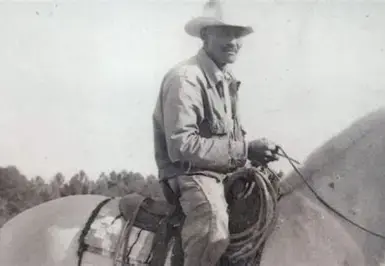
Picture Credits: David Vaughn, City of Griffin, B. Brown


Comments