


The Role of Big Band Music and the Andrews Sisters During World War II
- Dec 13, 2025
- 3 min read
Music played a crucial role during World War II, offering comfort, hope, and a sense of unity amid global conflict. Among the most influential sounds of the era were big band music and the harmonies of the Andrews Sisters. These musical forces not only entertained troops and civilians but also helped shape the cultural landscape of the 1940s.

Big Band Music as the Soundtrack of the War
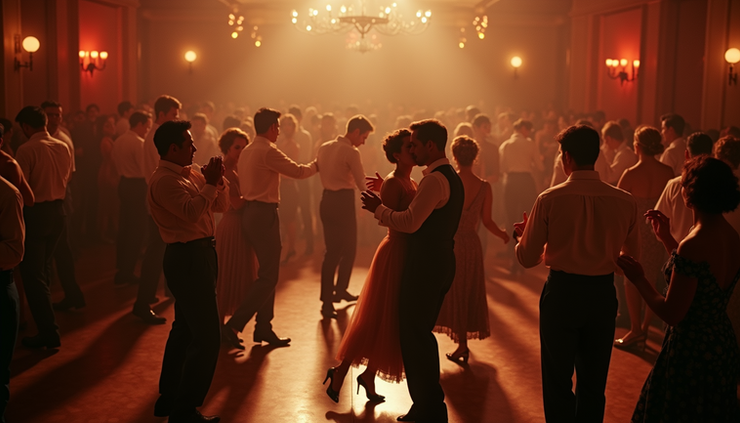
Big band music, characterized by large ensembles featuring brass, woodwinds, and rhythm sections, became the soundtrack of the 1940s. Bands led by legends such as Glenn Miller, Benny Goodman, and Duke Ellington filled dance halls and radio waves with energetic, swinging tunes. Their music provided a much-needed escape from the harsh realities of war.
Morale Booster for Troops
Big band music was a staple at USO shows and military bases. The upbeat rhythms and familiar melodies helped soldiers feel connected to home and lifted their spirits during difficult times.
Cultural Unifier
The music crossed racial and social boundaries, bringing together diverse audiences. For example, Duke Ellington’s orchestra was one of the few racially integrated bands of the time, promoting inclusivity through music.
Radio and Record Sales
Radio broadcasts of big band performances reached millions, making the music accessible to those who could not attend live shows. Record sales soared, with hits like Glenn Miller’s “In the Mood” becoming anthems of the era.
The Andrews Sisters and Their Impact
The Andrews Sisters—Patty, Maxene, and LaVerne—were among the most popular vocal groups during World War II. Their tight harmonies and energetic performances made them icons of the period.

Signature Style
Their blend of swing and close harmony vocals created a unique sound that was both catchy and uplifting. Songs like “Boogie Woogie Bugle Boy” and “Don’t Sit Under the Apple Tree” became wartime favorites.
Support for the Troops
The sisters frequently performed at military bases and USO events, often traveling overseas to entertain troops. Their music helped maintain morale and reminded soldiers of home.
Influence on Popular Culture
The Andrews Sisters appeared in films and on radio shows, expanding their reach beyond music. Their style influenced future vocal groups and remains a reference point for harmony singing.
Music’s Role Beyond Entertainment
Music during World War II was more than just entertainment; it was a tool for communication and emotional support.
Propaganda and Patriotism
Many songs carried patriotic themes, encouraging support for the war effort. Lyrics often emphasized unity, sacrifice, and hope, reinforcing national pride.
Emotional Connection
For families separated by war, music was a way to stay emotionally connected. Listening to familiar tunes provided comfort and a sense of normalcy.
Economic Impact
The music industry adapted to wartime conditions, with musicians participating in bond drives and charity events. This helped sustain the industry and contributed to the war effort.
Lasting Legacy of Big Band and the Andrews Sisters
The influence of big band music and the Andrews Sisters extends far beyond the 1940s. Their contributions during World War II left a lasting mark on music and culture.
Revival and Preservation
Big band music experienced revivals in later decades, with many contemporary bands paying tribute to the style. The Andrews Sisters’ recordings continue to be celebrated and reissued.
Inspiration for Future Artists
Their work inspired generations of musicians and vocalists. The emphasis on harmony and rhythm can be heard in genres ranging from jazz to pop.


Comments