


The Untold Story of Andersonville Georgia in the Civil War and My Ancestors' Legacy

The story of Andersonville, Georgia, during the Civil War is one of hardship, endurance, and tragedy. It is a chapter of American history that often gets overshadowed by battles and political events, yet it holds deep significance for many families, including mine. Two of my ancestors were held at Andersonville Prison, and their experiences inspired me to explore and share the history of this place. This post will take you through how Andersonville came to be, what happened there, and the legacy it left behind.

How Andersonville Prison Came to Be
In 1864, the Civil War was in full swing, and the Confederate States faced increasing challenges in managing the growing number of Union prisoners of war. The Confederate government decided to establish a new prison camp in Andersonville, Georgia, officially known as Camp Sumter. The location was chosen because of its proximity to railroads and its remote, rural setting, which was thought to be secure and manageable.
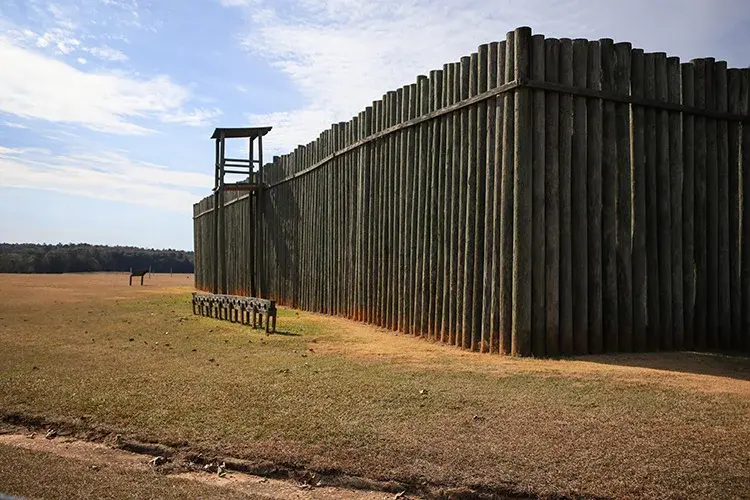
The camp was designed to hold about 10,000 prisoners, but by August 1864, it housed over 30,000 men. The rapid overcrowding created dire conditions. The prison was enclosed by a 15-foot high wooden stockade, covering roughly 26.5 acres. Inside, prisoners lived in makeshift shelters, often just tents or crude lean-tos, exposed to the elements.

Life Inside Andersonville Prison
Conditions inside Andersonville were brutal. The camp lacked adequate food, clean water, and medical supplies. The nearby creek, which served as the primary water source, became contaminated quickly due to overcrowding and poor sanitation. Disease spread rapidly, and prisoners suffered from scurvy, dysentery, and other illnesses.
The Confederate guards were overwhelmed and often underfed themselves, which contributed to harsh treatment of prisoners. Starvation, exposure, and disease led to a staggering death toll. Nearly 13,000 of the approximately 45,000 Union prisoners held at Andersonville died during its 14 months of operation.
Despite the suffering, prisoners formed communities, shared what little they had, and tried to maintain hope. Some kept journals or created artwork, which later became important historical records.

My Ancestors’ Connection to Andersonville
Two of my ancestors were among the Union soldiers imprisoned at Andersonville. Their letters and stories passed down through generations reveal the human side of this grim chapter. One ancestor was captured during a battle in 1864 and sent to Andersonville, where he endured months of hardship before being released in a prisoner exchange.
The other ancestor arrived later in the camp’s operation and faced the same harsh conditions. Their survival was a testament to resilience and the will to live despite overwhelming odds. Learning about their experiences made the history of Andersonville personal and compelling for me.

The Legacy of Andersonville
After the war, Andersonville became a symbol of the suffering endured by prisoners of war. The site was preserved as the Andersonville National Historic Site, which includes the prison stockade remains, a national cemetery, and the National Prisoner of War Museum.
The museum tells the stories of all prisoners of war, not just those at Andersonville, highlighting the universal struggles faced by captives in conflicts. It serves as a reminder of the human cost of war and the importance of humane treatment for prisoners.
Lessons from Andersonville
The history of Andersonville offers several important lessons:
The impact of overcrowding and poor planning in humanitarian crises can be devastating.
The resilience of the human spirit in the face of suffering is remarkable.
The need for proper treatment of prisoners of war is a critical issue that remains relevant today.
Remembering personal stories helps us connect with history on a deeper level.

Visiting Andersonville Today
For those interested in Civil War history or genealogy, visiting Andersonville provides a powerful experience. Walking the grounds where thousands suffered and died brings history to life. The museum offers detailed exhibits, personal artifacts, and educational programs.
If you have ancestors who were prisoners of war or soldiers in the Civil War, Andersonville might hold clues to their stories. The site encourages reflection on the costs of conflict and the importance of compassion.
The story of Andersonville is not just about numbers or dates. It is about people—like my ancestors—who lived through unimaginable hardship. Their legacy, and the history of Andersonville, reminds us to honor those who suffered and to learn from the past. Exploring this history has deepened my understanding of the Civil War and connected me to my family in a meaningful way.


Comments